

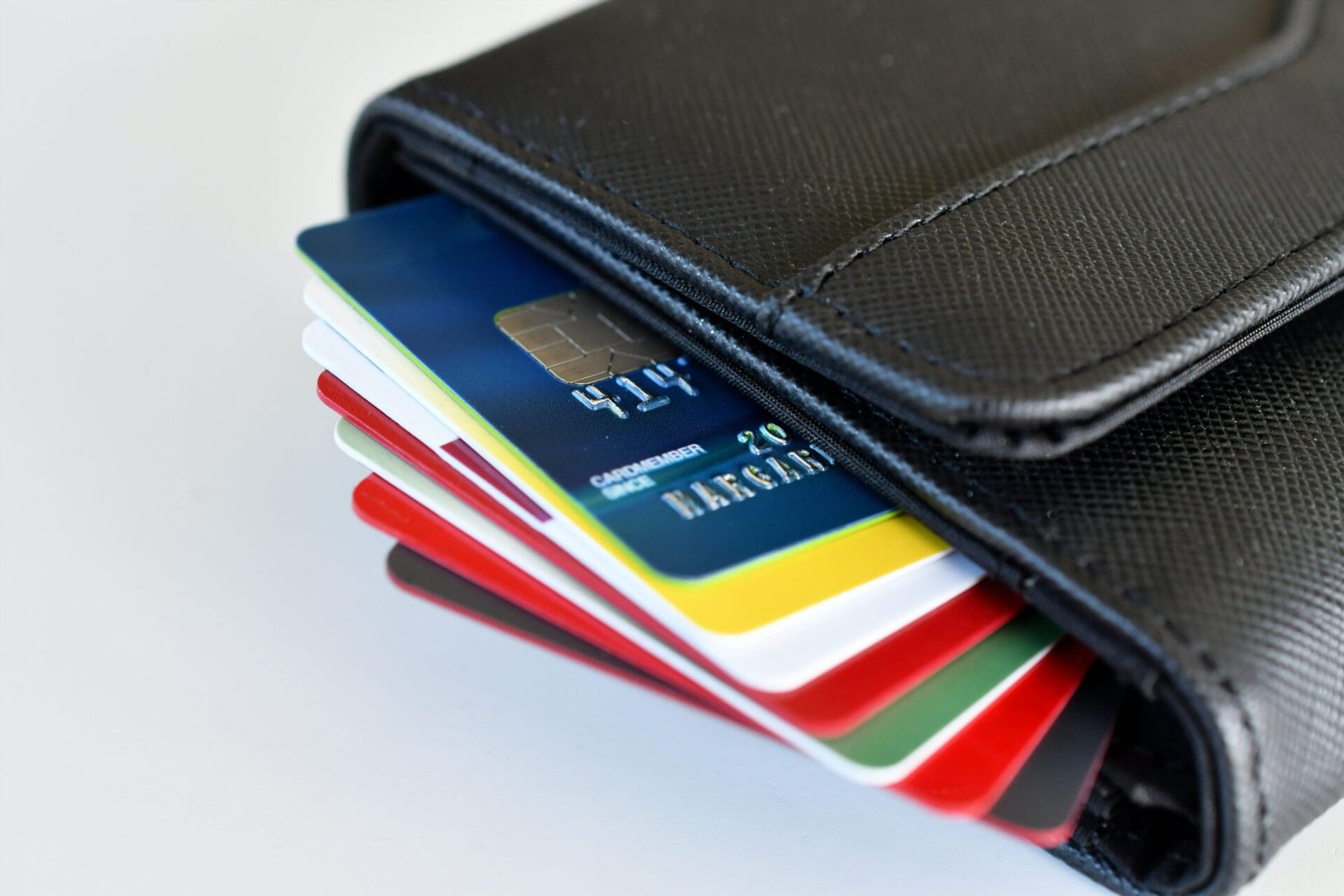
When it comes to money management, the choice between a credit card and a debit card is a simple one that can make a considerable impact on your financial health. Each payment method offers unique benefits and challenges that must be contemplated when budgeting, spending, and long-term financial planning. Whether you’re looking to build credit or have better control over your spending, understanding the differences between these choices is imperative. Read along as First Farmers provides detailed advice about both options, highlighting advantages, disadvantages, and outlining easy tips for smart usage!
Credit Cards: Pros and Cons
A credit card allows you to borrow a predetermined amount of money to make purchases or simply withdraw cash. You are required to repay the borrowed amount in full before the agreed due date, or the debt will accrue interest. The more consistent you are with repaying the borrowed amount, the higher the likelihood the bank will increase your credit limit, allowing you to borrow larger amounts. Credit cards offer various advantages and disadvantages:
Pros:
- Builds Credit History: Using a credit card responsibly helps establish and improve your credit score. Positive credit scores are essential for future financial plans, such as securing loans for a home or better interest rates.
- Rewards and Benefits: Often, credit cards offer rewards to their users! These rewards range from cash back, travel miles, hotel discounts, and “points”.
- Enhanced Fraud Protection: Credit cards offer more fraud protection than debit cards due to the Fair Credit Billing Act, which limits liability to $50 for unauthorized charges, with some card issuers offering zero liability!
Cons:
- Potential Debt Accumulation: Without careful management, it’s very easy to amass debt. Whether it’s due to overspending or high interest and/or various fees on unpaid balances, it can spiral out of control and lead to a precarious financial situation.
- Fees and Interest Charges: Carrying a balance or making late payments can result in substantial fees and interest charges. These fees and interest charges can negatively affect your credit score, making it difficult to achieve financial goals.
When to Use A Credit Card:
- Large Purchases: For large purchases, credit cards offer purchase protections and the ability to pay over time.
- Online Shopping: Online shopping can be dangerous, but with enhanced fraud protections, credit cards are a safer option for web purchases.
- Travel Arrangements: Many credit cards offer travel-related benefits like insurance, travel miles, and points that can be used on hotels!
Learn more about your credit card options and which one is right for you by visiting your local First Farmers branch today!
Debit Cards: Pros and Cons
A debit card is a favorite of many due to its simplicity and direct control over spending. Purchases made with a debit card deduct funds directly from your bank account, allowing you to only spend the money you have. This straightforward tool is useful for day-to-day purchases and budgeting. Debit cards offer various advantages and disadvantages:
Pros:
- Access to Funds: Transactions are deducted directly from your checking account, helping you manage your money in real time. It is similar to having cash, with no need to wait or transfer funds to make a purchase.
- No Debt Risk: Because you are using your own money, and as long as you only spend what you have, there is no risk of accumulating debt. There are also no interest payments.
- Fewer Fees: Debit cards tend to have fewer fees than credit cards, making them cost-effective.
Cons:
- Limited Fraud Protection: Because transactions are directly from your checking account, unauthorized purchases can have an immediate impact on your finances. It can take longer for funds to be recovered.
- No Credit Building: Using a debit card does not contribute to building or improving your credit score. Because you are not borrowing from the bank, using your checking account does not lead to positive changes in your credit.
When to Use a Debit Card:
- Everyday Expenses: For routine purchases, debit cards can help with maintaining a disciplined budget by limiting your spending to your available funds.
- ATM Withdrawals: Make sure to withdraw cash from an ATM within your bank’s ATM network to minimize fees.
- Avoiding Debt: Because no money is being borrowed, using a debit card for purchases does not accrue debt or interest fees.
Open a checking account and start using a debit card for your financial planning needs by contacting First Farmers today!
First Farmers: Your Trusted Financial Partner
At First Farmers, we understand everyone’s financial needs are unique. We are committed to guiding customers through the complexities of modern finances with personalized and innovative solutions. First Farmers has become a trusted partner to all who are seeking to improve their financial well-being by focusing on transparency, customer education, and tailored financial strategies. Our expert team is dedicated to helping you navigate important financial decisions, ensuring you have the right tools to achieve your financial goals.
Experience the significant differences by contacting First Farmers today–your partner in financial success!
